
The Four Levels of Being Drunk and How They Impact Your Body FHE Health
This challenging phase is also when most individuals are at the highest risk for relapse if they attempt to detox without support. Understanding how does drunk feel goes beyond just the initial pleasant sensations. The physical effects of alcohol are inherently depressive, systematically interrupting the normal function of various body systems. Encourage them to drink water, offer them food, and ensure they don’t continue to consume alcohol.
Practical Tips for Mindful Drinking
Other people are the opposite of cheerful when they consume excessive amounts of alcohol. Instead, they become more hostile when under the influence, ready to start a physical fight with anyone who provokes them. Waking up tired frequently, missing work, and sleeping on the job might occur during sleep drunkenness. There isn’t a particular treatment that people recommend to get rid of sleep drunkenness. It’s important to sleep about eight hours to function efficiently.
Sleeping in Class with Eyes Open: Techniques and Risks
This could mean talking to a trusted friend or family member, joining a community of people with similar goals, or seeking guidance from a professional. There are numerous resources available, many of which are free and confidential, designed to provide you with the tools and encouragement you need on your journey. Alcohol has a significant impact on the prefrontal cortex, the part of your brain responsible for rational thought, decision-making, and impulse control. When this area is suppressed, the emotions you normally keep in check can surface unexpectedly. At the same time, the amygdala, your brain’s emotional center, becomes more reactive. This combination means your brain’s logical filter is offline while its emotional alarm system is on high alert.
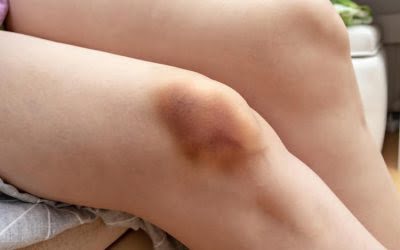
Stage-by-Stage Breakdown of Alcohol Intoxication
- It can start as young as high school, with parties, increase with events in college, and continues into adulthood with alcoholic drinks regularly provided at most social gatherings.
- It’s a common experience where alcohol seems to turn up the volume on everything you’re feeling.
- As a result, individuals may experience unsteadiness on their feet, even when sober.
- At Hope Harbor Wellness, we believe that understanding these dynamics is the first step toward making informed choices and, if needed, seeking support for alcohol use.
- At this level, individuals may experience a slight relaxation and a feeling of euphoria.
- The use of standardized scales, such as the DSM-5 criteria, helps in confirming intoxication based on observable symptoms.
An individual’s ability to make decisions and use good judgment can be greatly hampered by intoxication. Alcohol and drugs like marijuana can impact the parts of the brain that control rational thought and judgment. Constricted pupils can indicate alcohol drunkenness, while dilated or huge pupils can indicate marijuana use. Changes in pupil size can reveal a person’s level of intoxication. Intoxication results in small physical and psychological changes, poor reflexes, delayed coordination, blurred vision, fast heart rate, and blood pressure fluctuations. Psychological changes such as mood swings, memory issues, and behavior changes.
I am a passionate beer connoisseur with a deep appreciation for the art and science of brewing. As a general rule of thumb, stick to or stay below moderate drinking guidelines. We’d love the opportunity to help you during this overwhelming and difficult process. The Summit Wellness Group is located in Georgia and all of your calls will be directed to one of our local staff members. https://ruislipearcare.co.uk/demo1/why-do-alcoholics-cough-so-much-5-reasons/ Our sincere passion is helping people recover so that they can live full, meaningful and healthy lives. Not only is an intoxicated person a danger to themselves, but they’re also a danger to those around them.
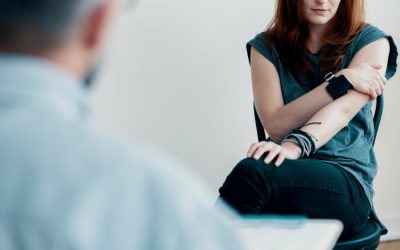
For example, a person may exhibit increased talkativeness, inappropriate behavior, or difficulty focusing. Mentally and emotionally, alcohol impairs judgment and memory, diminishes problem-solving abilities, and disrupts neurotransmitter activity. This results in temporary feelings of relaxation and happiness; however, these can be followed by mood swings, emotional instability, and poor decision-making. It typically involves mild sensations such as increased happiness, relaxation, and heightened confidence. You may what is alcoholism notice slight impairments in judgment or coordination, but you are generally still in control and aware of your actions. Measuring BAC is essential for assessing intoxication levels, determining safety for activities like driving, and for medical or legal evaluations.
Many believe that while alcohol impairs decision-making, it doesn’t significantly impact physical abilities. This misconception can lead to risky behavior, such as drunk driving. In reality, alcohol impairs coordination, what does being drunk feel like balance, and reaction times, making physical tasks much more dangerous while intoxicated.
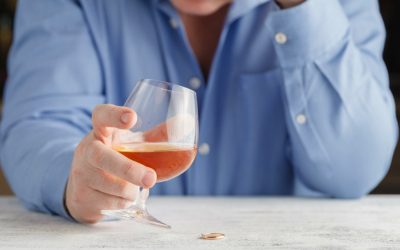
Excessive or inappropriate laughter is a symptom of being high on marijuana or inebriated with alcohol. These chemicals can affect the brain’s reward and pleasure centers, resulting in increased feelings of enjoyment. As a result, people may find themselves smiling more often, even in settings that would not normally elicit such a reaction. This unrestrained, persistent, or unconnected to the immediate context laughter might be a clear behavioral symptom of drunkenness. One reason for this is that both alcohol and cannabis can impair cognitive function.