
The journey of gambling tracing its historical roots and evolution
The journey of gambling tracing its historical roots and evolution
The Origins of Gambling
The history of gambling can be traced back thousands of years, with evidence found in ancient civilizations such as China, Egypt, and Mesopotamia. The earliest known form of gambling is believed to be the use of dice, which dates back to around 3000 BC. These rudimentary gaming pieces were often made from animal bones, a practice that highlights the deep-rooted connection between chance and human culture, much like the original Chicken Road game app offers a modern interpretation of risk and reward.
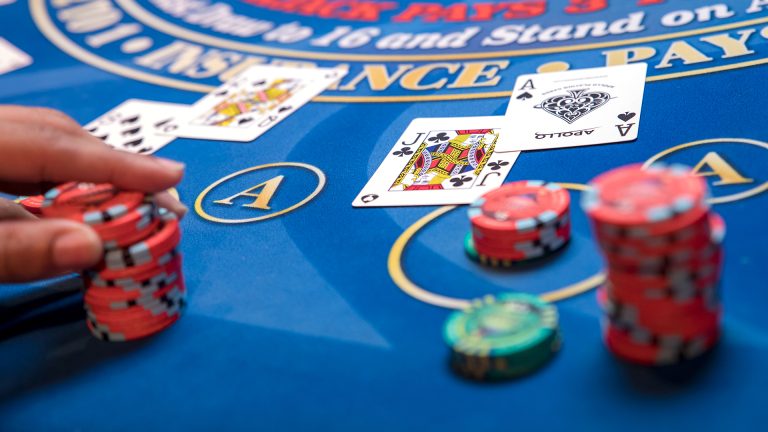
In ancient China, the concept of gambling evolved into organized games, often associated with significant cultural events and celebrations. The Chinese Lottery, for instance, was utilized to finance government projects and military endeavors, demonstrating that gambling served not only as entertainment but also as a means of economic support. This illustrates how gambling has always intertwined with societal aspirations and goals throughout history.
The Evolution Through the Ages
As societies progressed, so did the nature of gambling. In ancient Rome, betting on gladiatorial contests became a popular pastime, marking the transition from simple games of chance to more complex wagers involving skill and strategy. The Roman Empire’s influence helped spread gambling across Europe, leading to the establishment of various games that laid the groundwork for modern casino games.
The Middle Ages saw gambling intertwined with social norms and the emergence of laws regulating the practice. While some nations embraced gaming as a legitimate entertainment form, others sought to suppress it due to moral concerns. However, the resilience of gambling culture persisted, especially in places like Venice, which became famous for its casinos by the 17th century.
The Rise of Modern Gambling
The 19th century marked a significant turning point in gambling history, particularly with the advent of commercial gambling and the establishment of modern casinos. The introduction of poker and the popularization of betting on horse races contributed to a booming gambling economy. This era also saw the formation of iconic gambling destinations, with Monte Carlo and Las Vegas emerging as the epicenters of entertainment and chance.
As technology advanced, so did gambling methods. The 20th century introduced slot machines, which captivated players with their simplicity and potential for big wins. This innovative approach transformed gambling into a mass-market entertainment option, appealing to a wider audience and solidifying its place in popular culture.
Gambling in the Digital Age
The rise of the internet revolutionized gambling, giving birth to online casinos and virtual betting platforms. This new era allowed players to engage in their favorite games from the comfort of their homes, expanding the reach of gambling beyond geographical limitations. The convenience of online gaming has led to a significant increase in participation, particularly among younger demographics.
Additionally, advancements in technology have enabled innovative gaming experiences such as live dealer games and mobile applications, further enhancing player engagement. The online gambling industry continues to thrive, with developers constantly seeking to integrate cutting-edge features that cater to evolving player preferences.

Exploring Modern Gambling Experiences
Today, the landscape of gambling encompasses a wide array of experiences, from traditional casino games to unique offerings like themed slot machines. Modern players can choose from various betting options and enjoy thrilling graphics and immersive gameplay. This evolution reflects society’s changing attitudes towards gambling, embracing it as a mainstream form of entertainment.
As the industry continues to grow, it faces challenges such as regulation, responsible gaming, and addressing the potential risks of addiction. Nevertheless, gambling remains a cultural phenomenon, celebrated for its entertainment value and social connections, bridging gaps across different demographics and backgrounds.